
W-4 Form 2026: What Changed and How to Fill It Out
July 25th, 2024
7 min read
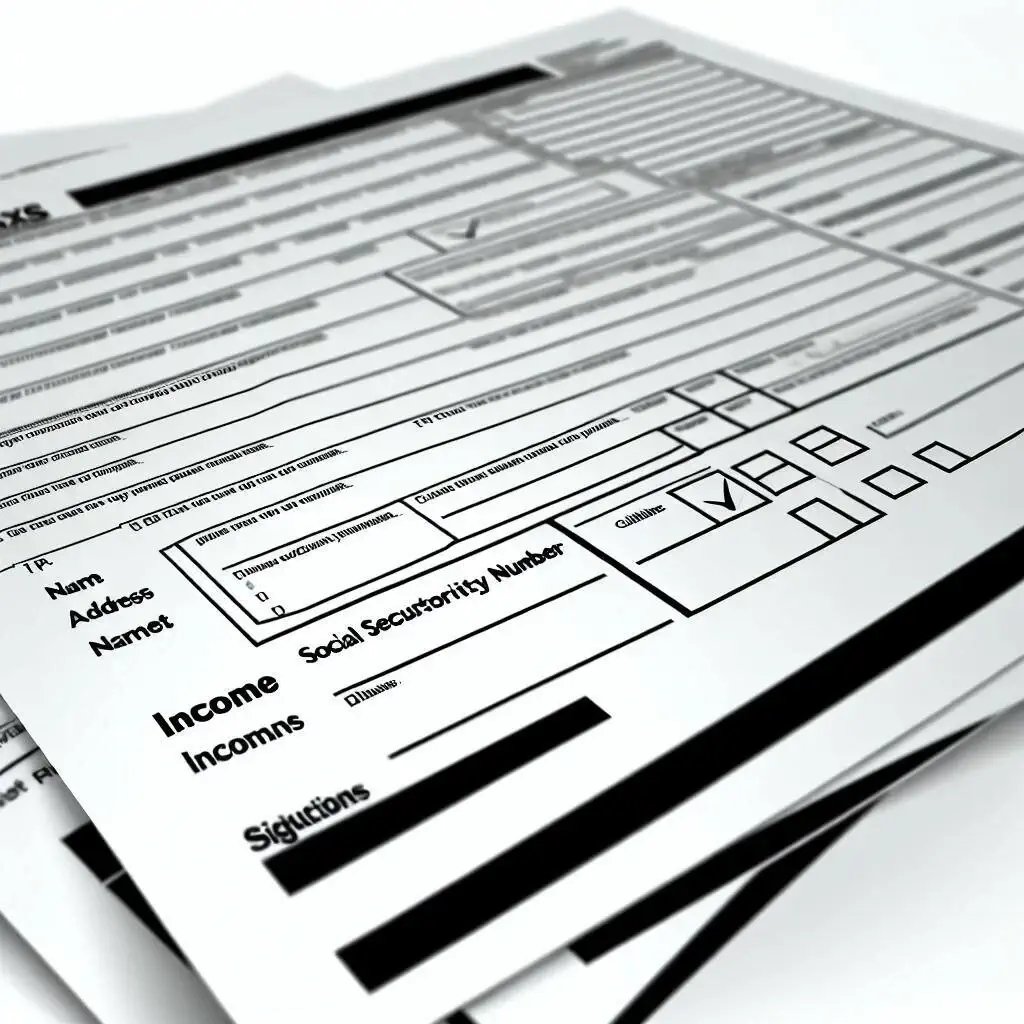
The 2026 Form W-4 is five pages long. Step 3 now counts $2,200 per qualifying child (up from $2,000), the Step 4(b) deductions worksheet adds lines for qualified tips and overtime, and claiming exemption is now a checkbox instead of writing "Exempt." Employees only have to complete Steps 1 and 5. Employers should use the current form for new hires and updates, and Illinois employers also need the state IL-W-4.
Every new hire hands you a Form W-4, and a small mistake on it can mean the wrong amount of tax withheld, a surprised employee, and payroll corrections for you. Add a redesigned 2026 form and it is easy to wonder whether your team is using the right version the right way.
At Lift HCM, we handle payroll tax and onboarding paperwork for businesses across the country, including many in Illinois, so we see the same W-4 questions come up every year. This guide explains what changed for 2026, how to fill out each step, and what employers should do to stay compliant, so you can collect accurate forms with confidence.
Key Takeaways
- The 2026 W-4 changed in five ways: a longer five-page layout, a $2,200 child tax credit entry, a bigger deductions worksheet, Step 4 no longer labeled "optional," and an exemption checkbox.
- Only Steps 1 and 5 are required. Steps 2 through 4 apply only when an employee's situation calls for them.
- Allowances are gone. Anyone talking about "claiming allowances" on the federal form is describing the pre-2020 version.
- Illinois employers collect two forms. The federal W-4 and the Illinois IL-W-4, which still uses allowances.
- Employers should never give tax advice. Collect the form, apply it as written, and point employees to the IRS Tax Withholding Estimator.
Table of Contents
- What Is Form W-4?
- What Changed on the 2026 Form W-4?
- How Do You Fill Out the 2026 W-4, Step by Step?
- What Mistakes Should Employees and Employers Avoid?
- What Should Illinois Employers Know About the IL-W-4?
- How Can Employers Make W-4 Collection Easier?
- Frequently Asked Questions
- Save Time and Eliminate Tax Form Discrepancies with Lift HCM
What Is Form W-4?
Form W-4, officially called the Employee's Withholding Certificate, is the IRS form employees complete to tell their employer how much federal income tax to withhold from each paycheck. Employees fill it out when they are hired and again whenever their situation changes. The amount withheld depends on filing status, other jobs, dependents, other income, and deductions.
For employers, collecting a W-4 from every new hire is a core part of payroll processing. It supports accurate federal withholding and helps you avoid penalties tied to incorrect withholding. If an employee never submits a W-4, you must withhold as if the employee is single with no other adjustments, which often means more tax is withheld than necessary.
What Changed on the 2026 Form W-4?
The IRS released the final 2026 Form W-4 in December 2025 to reflect the One Big Beautiful Bill Act (OBBBA) signed in July 2025. The core five-step structure stays the same, but several details are different from 2025.
- Five pages instead of four. The form and instructions grew by one page, mostly because the deductions worksheet now sits on its own page.
- Higher child tax credit in Step 3. The lines in Step 3 are now labeled (a) and (b). The credit for each qualifying child under 17 rises from $2,000 to $2,200, while the credit for other dependents stays at $500.
- Step 4 is no longer "optional." The IRS removed the word and added a note that if an employee leaves Step 4(b) blank, withholding is based on the standard deduction.
- A bigger deductions worksheet. The Step 4(b) worksheet now has 15 lines, including new entries for estimated qualified tips and qualified overtime compensation under the new federal deductions.
- An exemption checkbox. Employees claiming exemption from withholding now check a box and certify they meet both conditions, instead of writing "Exempt" on the form.
The standard deduction also changed for 2026. It is $16,100 for single filers and married individuals filing separately, $32,200 for married couples filing jointly, and $24,150 for heads of household. The IRS also updated its online Tax Withholding Estimator to reflect the new rules.
Employees are not required to submit a new W-4 just because the form changed. They should consider a new one if they have a life change, want to account for the new tips or overtime deductions, or are claiming exemption, which must be renewed each year.
How Do You Fill Out the 2026 W-4, Step by Step?
Filling out the W-4 correctly is the best way to get withholding right. Here is how each section works.
Step 1: Personal Information
Employees enter their name, address, Social Security number, and filing status (single or married filing separately, married filing jointly, or head of household). The name must match the Social Security card exactly, because mismatches cause reporting problems later.
Step 2: Multiple Jobs or a Working Spouse
This step is for employees with more than one job or a spouse who also works. They have three options: use the IRS Tax Withholding Estimator, which is the most accurate; use the Multiple Jobs Worksheet; or check the box in Step 2(c), which is simpler but less precise. The box works best when there are only two jobs with similar pay.
Step 3: Claim Dependent and Other Credits
Employees with income of $200,000 or less ($400,000 or less if married filing jointly) can enter credits here. For 2026, multiply the number of qualifying children under 17 by $2,200, multiply other dependents by $500, and add the totals.
Step 4: Other Adjustments
Step 4 lets employees fine-tune withholding. In 4(a), they enter other income not from jobs, such as interest, dividends, or retirement income. In 4(b), they enter deductions beyond the standard deduction, using the Deductions Worksheet. In 4(c), they enter any extra amount they want withheld each pay period.
Step 5: Sign and Date
The employee must sign and date the form. Without a signature, the form is not valid and you cannot use it to set withholding.
Claiming Exemption From Withholding
Employees can claim exemption only if they had no federal income tax liability last year and expect none this year. For 2026, they check the new exemption box. The exemption expires, so the employee must submit a new W-4 each year to keep it. Employers should not judge whether an employee qualifies. Apply the form as submitted and refer questions to the IRS.
What Mistakes Should Employees and Employers Avoid?
Most W-4 problems come from a handful of repeat mistakes. Watch for these.
Common Employee Mistakes
- Not updating for multiple jobs: skipping Step 2 when a second job or working spouse exists leads to under-withholding.
- Ignoring other income: leaving out interest, dividends, or side income can cause a surprise tax bill.
- Misclaiming dependents: the $2,200 credit applies only to qualifying children under 17, and other dependents use the $500 amount.
- Forgetting life changes: marriage, divorce, a new child, or a new job should prompt a new W-4.
- Expecting allowances: the federal form dropped allowances in 2020. Old forms from 2019 or earlier still work, but the 2026 form does not use them.
Common Employer Mistakes
- Using an outdated form: new hires and employees making changes should complete the current version.
- Accepting unsigned forms: an unsigned W-4 is not valid.
- Giving tax advice: explaining how an employee should fill out the form can create liability. Point to the IRS instructions and estimator instead.
- Losing track of forms: keep every W-4 on file and easy to find in case of an audit. Our guide to payroll tax forms covers the rest.
What Should Illinois Employers Know About the IL-W-4?
Illinois employers collect a second form for state withholding. The IL-W-4, the Employee's Illinois Withholding Allowance Certificate, is separate from the federal W-4 and still uses allowances. Illinois withholds at a flat 4.95% rate after subtracting the employee's allowances, and the exemption amount is $2,925 per basic allowance for 2026.
If an Illinois employee does not submit an IL-W-4, you must withhold using zero allowances. Because the federal and state forms work differently, make sure your onboarding process collects both. For more on state rules, see our Illinois payroll taxes guide.
How Can Employers Make W-4 Collection Easier?
Paper forms get lost, miskeyed, and out of date. A better approach is digital onboarding, where new hires complete a paperless W-4 along with other required paperwork, and the data flows straight into payroll without re-entry. That reduces errors and keeps a clear record.
When you evaluate payroll and HR technology, look for ease of use, automation, integrations, reporting, compliance support, and access to a real person who knows your business. At Lift HCM, W-4s, I-9s, and handbook acknowledgments are handled in one unified HR administration platform, backed by dedicated support rather than a ticket queue.
Frequently Asked Questions
Q: Do employees need to submit a new W-4 every year?
A: No. Employees only need a new W-4 when their situation changes or when they claim exemption, which must be renewed each year. It is still good practice to encourage an annual check.
Q: What happens if an employee does not submit a W-4?
A: You must withhold federal income tax as if the employee is single with no other adjustments. This usually means more tax is withheld than the employee actually owes.
Q: Is the 2026 W-4 required for current employees?
A: No. Existing employees do not have to resubmit just because the form changed. Use the current form for new hires and for any employee who updates their withholding.
Q: Can an employee still claim allowances on the federal W-4?
A: No. Allowances were removed from the federal form in 2020. Illinois still uses allowances on the IL-W-4.
Q: How does an employee claim exemption from withholding in 2026?
A: They check the new exemption box on the form, certifying they had no federal tax liability last year and expect none this year. The exemption must be renewed every year.
Q: What should an employee with multiple jobs do?
A: Use the IRS Tax Withholding Estimator for the most accurate result, or use the Multiple Jobs Worksheet. Checking the box in Step 2(c) is the simplest option but is less precise.
Q: Where do tips and overtime go on the 2026 W-4?
A: Employees can enter estimates of qualified tips and qualified overtime compensation on the Step 4(b) Deductions Worksheet, which can reduce their withholding.
Your Next Step Toward Accurate Withholding
W-4 problems usually start small: a missed step, an outdated form, or a state form that never got collected. With the 2026 changes, you now know what is different, how each step works, and what to do to keep your payroll clean.
Next, review your onboarding process. Confirm new hires use the 2026 form, collect the IL-W-4 where it applies, and keep every form on file (see our payroll record retention guide). If you would like help, Lift HCM combines payroll tax management with digital onboarding so the right forms reach the right place the first time. Explore our payroll tax management solutions to see how we can take this off your plate.
Disclaimer: This information is for educational purposes only and is not intended to replace legal counsel. Tax amounts and rules change, so confirm current requirements with the IRS, the Illinois Department of Revenue, your state labor department, or a qualified professional.
Caitlin Kapolas is a content creator and marketing professional at Lift HCM, specializing in educational content for business owners, HR leaders, and payroll professionals. She writes about payroll, HR administration, compliance, workforce management, benefits, recruiting, and human capital management technology. Drawing from her background in account management and client experience, Caitlin focuses on creating clear, helpful resources that answer real employer questions and support more informed decision-making.




.png?width=1536&height=1024&name=Create%20a%20background%20that%20reads%2c%20How%20Long%20to%20Keep%20P%20(1).png)