
Payroll should not leave your team checking for errors, chasing answers, or wondering what the next invoice will include. If these frustrations sound familiar, your payroll provider may no longer be the right fit.
At Lift HCM, we help employers manage payroll and tax responsibilities with connected technology and hands-on support. This guide covers seven warning signs to look for, questions to ask your current provider, and practical steps to consider before making a change.
Table of Contents
- Payroll Errors Keep Happening
- Payroll Tax And Compliance Support Falls Short
- Getting Help Takes Too Long
- Fees Are Difficult To Understand
- Disconnected Systems Create Extra Work
- Payroll Tools And Reports Are Hard To Use
- Your Provider Cannot Keep Up With Your Business
- What To Do Before You Switch
Sign 1: Payroll Errors Keep Happening
Repeated mistakes in pay, deductions, or direct deposits can consume your team's time and undermine employee trust. An occasional correction may be unavoidable, but a pattern of unresolved errors is worth investigating.
Review recent corrections to determine whether they stem from incorrect inputs, system configuration, missed handoffs, or provider processing. Ask how errors are documented, corrected, and prevented from recurring.
Questions To Ask:
- How often do we need off-cycle payrolls or manual corrections?
- Does our provider explain the cause and take ownership of its responsibilities?
- Are overtime, deductions, garnishments, and retroactive pay reviewed accurately?
Sign 2: Payroll Tax And Compliance Support Falls Short
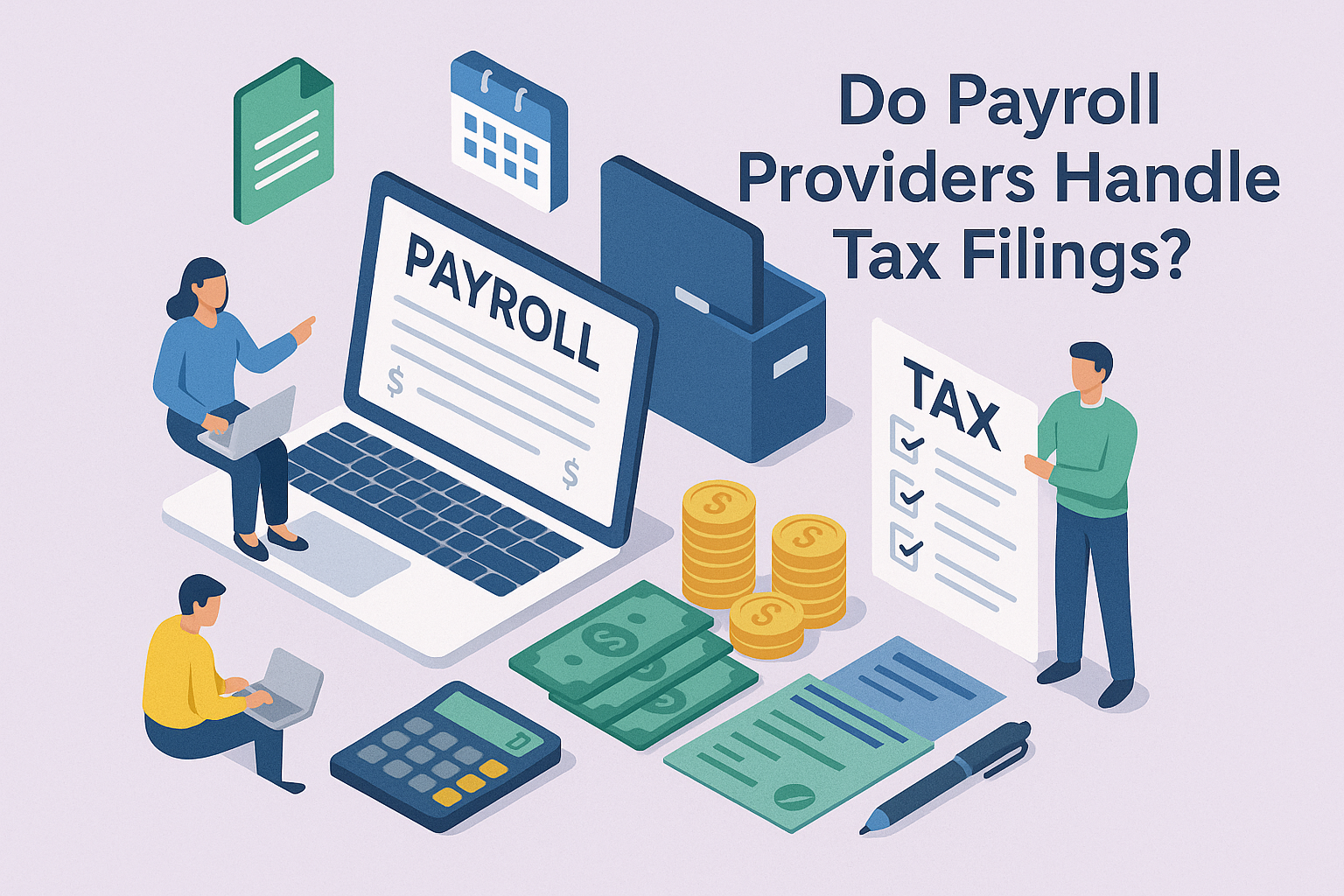
Unanswered tax notices, uncertain filing status, or inconsistent guidance can make it difficult to know whether payroll obligations are being handled. A provider should explain which filings and deposits it manages and how you can verify them.
Outsourcing payroll does not eliminate the employer's responsibility for payroll taxes. Review filing confirmations, tax account access, notice procedures, and contract terms for resolving provider errors. For federal guidance, see the IRS guidance on outsourcing payroll duties.
Questions To Ask:
- Which federal, state, and local filings and deposits are included?
- How are tax notices handled, and who is responsible for penalties or corrections?
- Can we access records and verify filing and deposit activity?
Sign 3: Getting Help Takes Too Long
When a payroll deadline is close, delayed or inconsistent answers can turn a manageable issue into an urgent problem. Support should be accessible, knowledgeable, and accountable for follow-through.
Look beyond the support channels listed in a contract. Consider whether the people answering understand your payroll setup, how urgent issues are escalated, and whether problems are resolved rather than repeatedly handed off.
Questions To Ask:
- Who can we contact when payroll cannot wait?
- How are urgent issues escalated and tracked through resolution?
- Do we receive clear explanations and follow-up?
Sign 4: Fees Are Difficult To Understand
A low base price does not tell the whole story. Additional charges for tax filings, year-end forms, off-cycle payroll, integrations, implementation, or support can change the total cost of service.
Compare invoices with your agreement and ask for an itemized explanation of recurring, usage-based, and occasional fees. Review the modules you actually use, too. Paying for features your team does not need can make an otherwise reasonable package less valuable.
Questions To Ask:
- Which services are included, and which cost extra?
- What triggers a price increase or additional processing fee?
- What are the renewal, cancellation, and data export terms?
Sign 5: Disconnected Systems Create Extra Work
If your team repeatedly enters the same employee, time, benefits, or accounting data into separate systems, payroll may depend on avoidable handoffs and reconciliations. Each transfer creates another opportunity for inconsistent information.
Map the data that moves into and out of payroll, including hours, deductions, and general ledger entries. Then ask whether existing connections can be improved or whether another provider can support the integrations you need.
Questions To Ask:
- Where does our team re-enter or manually reconcile data?
- Which integrations are available, and what do setup and maintenance cost?
- Who monitors and resolves a failed data transfer?
Sign 6: Payroll Tools And Reports Are Hard To Use
A payroll system should make routine work easier, not require a workaround for every pay run. Difficulty reviewing payroll, finding reports, or helping employees access pay information can add unnecessary work.
Ask your team to identify the tasks that take the longest, then test those same tasks in a provider demonstration. Look for useful reporting, appropriate access controls, and employee self-service for items such as pay statements and tax documents.
Questions To Ask:
- Can we review payroll and export the reports we need without extra help?
- Can employees access their information and update permitted details easily?
- Are access permissions, multifactor authentication, and security practices clearly documented?

Sign 7: Your Provider Cannot Keep Up With Your Business
A provider that worked when your business was smaller may struggle as your workforce, locations, or pay practices become more complex. New state registrations, multiple pay schedules, job costing, or expanded benefits can expose gaps in service or technology.
Before changing providers, describe the requirements you have today and those you reasonably expect. Ask each provider to demonstrate how it would handle your specific workflows and explain any limitations or added costs.
Questions To Ask:
- Can the provider support our locations, pay schedules, and employee types?
- Can it accommodate the reporting, time tracking, and benefits workflows we need?
- Will support and pricing change as our business grows?
What Should You Do Before Switching Payroll Providers?
Start with a review of recent payroll errors, support experiences, invoices, tax notices, and manual processes. Some issues may be resolved with your current provider. If the gaps persist, use that review to compare alternatives against the needs of your business.
- Review Your Agreement: Check renewal dates, notice requirements, cancellation fees, and access to historical records.
- Define Your Requirements: Document pay schedules, tax jurisdictions, integrations, reporting, employee self-service, security, and support needs.
- Compare Total Costs And Responsibilities: Request itemized quotes and written explanations of tax filing, error resolution, and service responsibilities.
- Plan The Transition: Assign a project lead, gather and validate employee and year-to-date payroll data, confirm filing responsibilities, test integrations, and arrange a parallel payroll run where practical.
- Verify The First Pay Runs: Review payroll totals, deductions, tax deposits, and employee access after the change. Keep records and resolve discrepancies promptly.
Frequently Asked Questions About Switching Payroll Providers
When Is The Best Time To Switch Payroll Providers?
Many employers consider the start of a calendar year or quarter because it can simplify some reporting and reconciliation. A switch can also happen at another time when carefully planned. Confirm the timing and filing responsibilities with both providers.
Can A Payroll Provider Guarantee Compliance?
No provider can remove every compliance risk or replace employer oversight. Ask for written details about services, controls, filing responsibilities, and how errors and notices are handled.
What Information Is Needed To Switch Payroll Providers?
Typically, you will need employee and tax information, pay rates, deductions, direct deposit details, payroll schedules, and current-year payroll and tax records. The new provider should give you a specific checklist and help validate the information before the first run.
Choose A Payroll Partner That Supports Your Business
Recurring payroll errors, unclear fees, weak support, and disconnected processes are signals to review your provider relationship. The right next step may be a conversation with your current provider or a more detailed comparison of alternatives.
Lift HCM combines payroll and tax management with connected HR and time tracking tools and a dedicated support team. Contact Lift HCM to discuss your payroll challenges and what a thoughtful transition could look like.

Topics: