Key Takeaways
- Scalable HR infrastructure rests on seven foundations, from a reliable system of employee record to workforce reporting.
- Growth problems are usually infrastructure problems in disguise, not a lack of effort.
- FMLA and ACA employer obligations generally begin around the 50-employee mark, though the counting rules differ.
- Build these foundations in stages based on complexity and risk, not a fixed headcount number.
- The most common mistakes: spreadsheets as the system of record, tribal knowledge, reactive compliance, and unprepared managers.
- A practical roadmap: establish control (50-75), connect and delegate (75-125), analyze and plan (125-200).
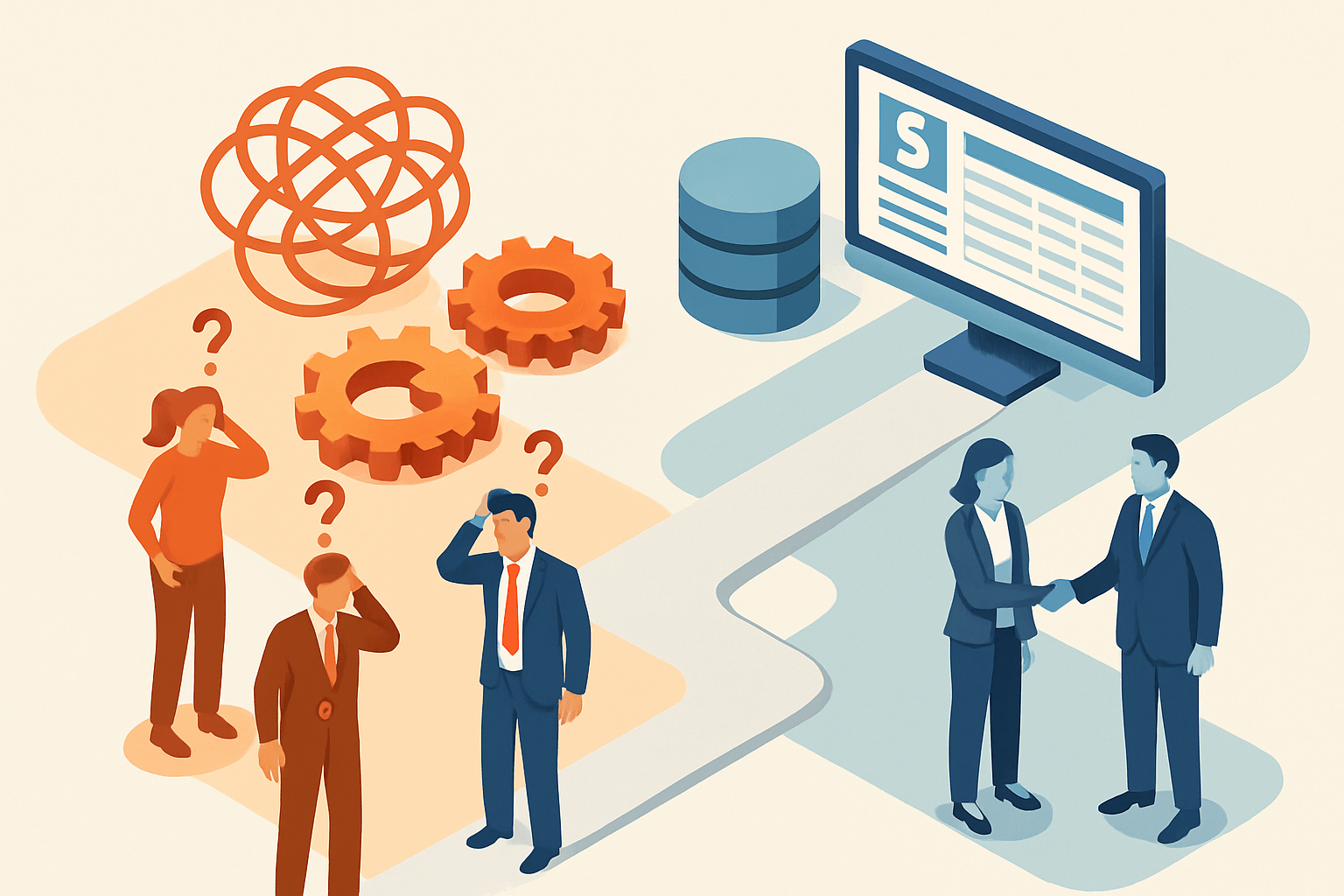
Many growth problems are infrastructure problems in disguise. Hiring feels slow because onboarding lives in email. Managers handle similar situations differently because policies are incomplete. Payroll reporting takes days because employee information is split across spreadsheets and systems.
The transition from 50 to 200 employees is especially important. Federal requirements may change around certain headcount thresholds, operations become harder to manage informally, and each inconsistent process affects more people. At Lift HCM, we help growing organizations connect HR, payroll, time, benefits, talent, and reporting so the underlying structure can keep pace.
This article explains the HR infrastructure growing companies need, the mistakes that create friction, and a practical roadmap for building the right capabilities before growth forces the issue.
Table of Contents
Why HR Systems Break During Growth
At 25 employees, leaders may know every person and approve every exception. At 100, that model becomes a bottleneck. Managers interpret policies, new locations create new requirements, and employees expect consistent answers regardless of department.
Three forms of complexity increase together:
- Operational complexity: More hires, changes, pay types, schedules, benefits, documents, and approvals move through the organization.
- Compliance complexity: Applicable requirements depend on employer size, location, industry, employee status, and other conditions. The federal Family and Medical Leave Act generally covers private employers with 50 or more employees in 20 or more workweeks, while the Affordable Care Act’s employer shared responsibility provisions generally apply to applicable large employers averaging at least 50 full-time employees, including full-time equivalents. Coverage tests and obligations differ, so employers should verify the rules that apply to them.
- Leadership complexity: Founders and executives can no longer resolve every people decision. Managers need clear authority, tools, and training.
Technology cannot replace policy or leadership. It can make the operating model consistent, visible, and easier to maintain.
The 7 Foundations of Scalable HR Infrastructure
1. HRIS and Employee Data Management
A human resources information system should serve as the controlled source for core employee data. It may connect personal information, job and salary history, documents, payroll, time, benefits, and reporting based on the modules selected.
Define who can create, approve, view, and change each type of information. Use role-based access, effective dates, audit trails, and data standards. A system does not become a source of truth merely because the company bought it. Teams must stop maintaining competing records.
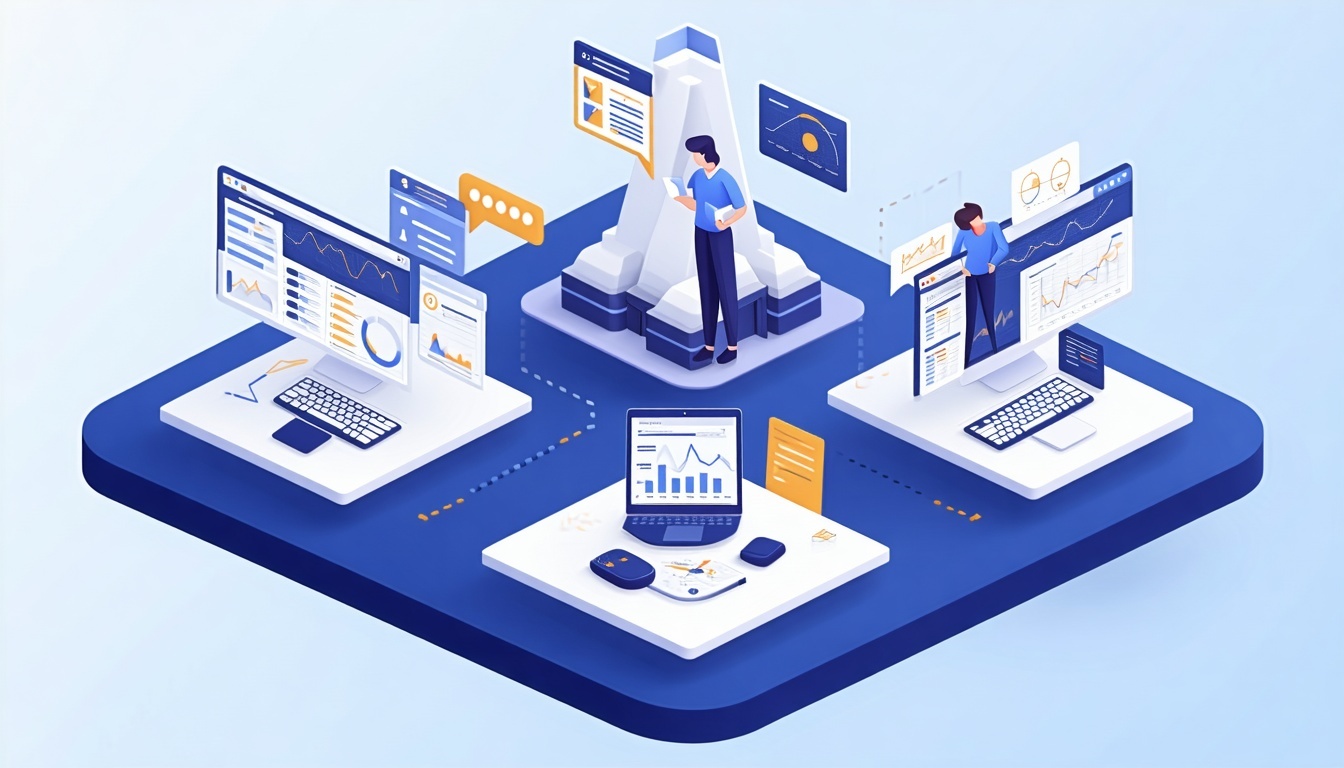
![Seven foundations of scalable HR infrastructure for a company growing from 50 to 200 employees.]](https://lifthcm.com/hubfs/create%20this%20visual%20Visual%20Seven-layer%20HR%20infrastru(1).png)
2. Standardized Onboarding
Standardized onboarding ensures that every new hire receives required information, completes the right forms, gains appropriate access, and understands the role. The process should have clear owners across HR, payroll, IT, facilities, and the hiring manager.
Build one core workflow with role-, location-, and employment-specific variations. Automate reminders and handoffs where useful. Keep human connection in the process through manager conversations, team introductions, training, and early feedback.
3. Compliance Systems and Documentation
Growing companies need a repeatable way to identify obligations, assign owners, store evidence, and review changes. This may include policies, notices, required postings, leave administration, accommodations, training, payroll tax registrations, record retention, and wage-and-hour controls.
Create a compliance calendar and responsibility matrix. Document why a rule applies, the effective date, the owner, the required action, and where evidence is stored. Use qualified legal or HR guidance when applicability is uncertain.
4. Manager Development Programs
New managers often receive authority before they receive training. They then learn through trial and error while handling attendance, performance, pay, leave, conflict, and employee concerns.
Provide practical training on expectations, documentation, feedback, escalation, anti-harassment responsibilities, wage-and-hour basics, and company policies. Reinforce it with manager guides, office hours, and consistent HR support. Manager development is an operating control, not just a leadership perk.
5. Performance Management Processes
Performance management should make expectations and feedback more consistent. It does not require a complicated annual rating system.
Start with clear role outcomes, regular check-ins, documented goals, and a fair process for addressing performance gaps. Calibrate expectations across managers. As the company grows, use the data to identify patterns in goals, development, recognition, and accountability.
6. Career Pathing Frameworks
Employees need to understand how they can grow, and managers need a shared language for development and promotion. Without a framework, advancement can depend on visibility, tenure, or individual manager preference.
Define job families, levels, core capabilities, and evidence required for progression. Keep the framework simple enough to maintain. Career paths should create transparency without promising a promotion on a fixed timeline.
7. Workforce Planning and Reporting
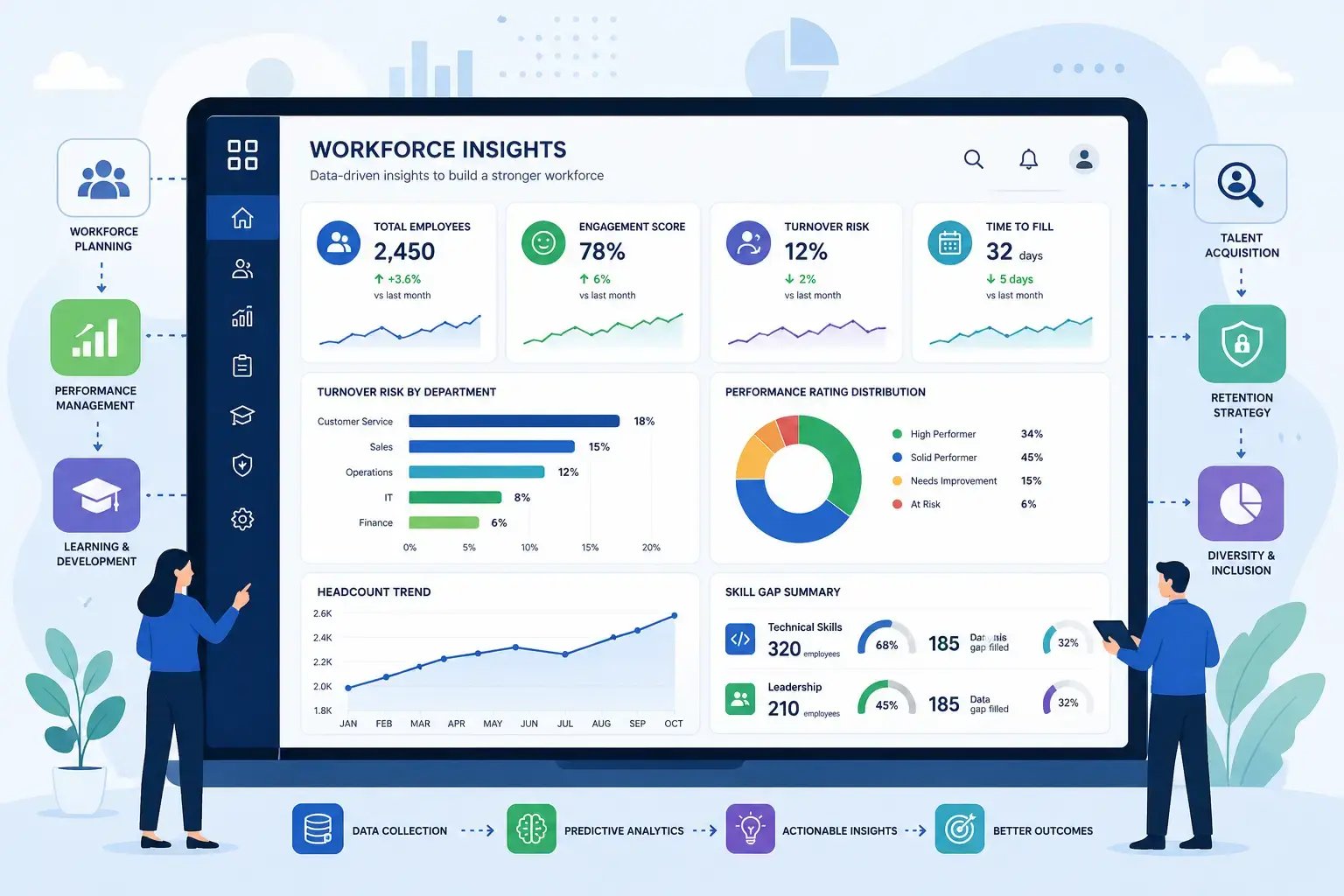
Leaders need more than a headcount total. Useful workforce planning connects current roles, compensation, turnover, capacity, hiring plans, and labor cost with business priorities.
Agree on metric definitions and owners before building dashboards. Common measures include headcount, full-time equivalents, vacancy, time to fill, turnover, overtime, absenteeism, span of control, labor cost, and internal movement. Segment results carefully and protect individual privacy.
Common Mistakes Growing Companies Make
Relying on Spreadsheets as the Operating System
Spreadsheets are useful for analysis and temporary planning. They become risky when they serve as the only employee record, approval workflow, compliance calendar, and reporting database.
The problem is not the file itself. It is version control, permissions, manual updates, weak audit history, and dependence on one person’s knowledge.
Allowing Tribal Knowledge to Replace Process
If only one employee knows how onboarding, payroll corrections, leave, or reporting works, the company has a continuity risk. Growth makes that risk larger because more decisions depend on the same person.
Document the purpose, owner, inputs, decision rules, exceptions, approvals, and outputs for critical processes. Keep documentation close to the work and review it after changes.
Treating Compliance Reactively
Reactive compliance begins with a complaint, notice, missed deadline, or expansion into a new jurisdiction. The team then solves one event without fixing the system that allowed it.
A better approach uses a calendar, named owners, periodic audits, trusted sources, and escalation rules. It also distinguishes routine administration from questions that require professional legal advice.
Promoting Managers Without Preparing Them
The strongest individual contributor is not automatically ready to manage people. Untrained managers can create inconsistency in scheduling, feedback, leave, documentation, and pay decisions.
Define what managers are authorized to decide and when they must involve HR. Train them before or immediately after promotion, then support them through real situations.
A Practical Growth-Stage HR Roadmap
Headcount is a planning signal, not a universal legal trigger. Industry, locations, workforce mix, benefits, and business strategy may require an earlier or different sequence.
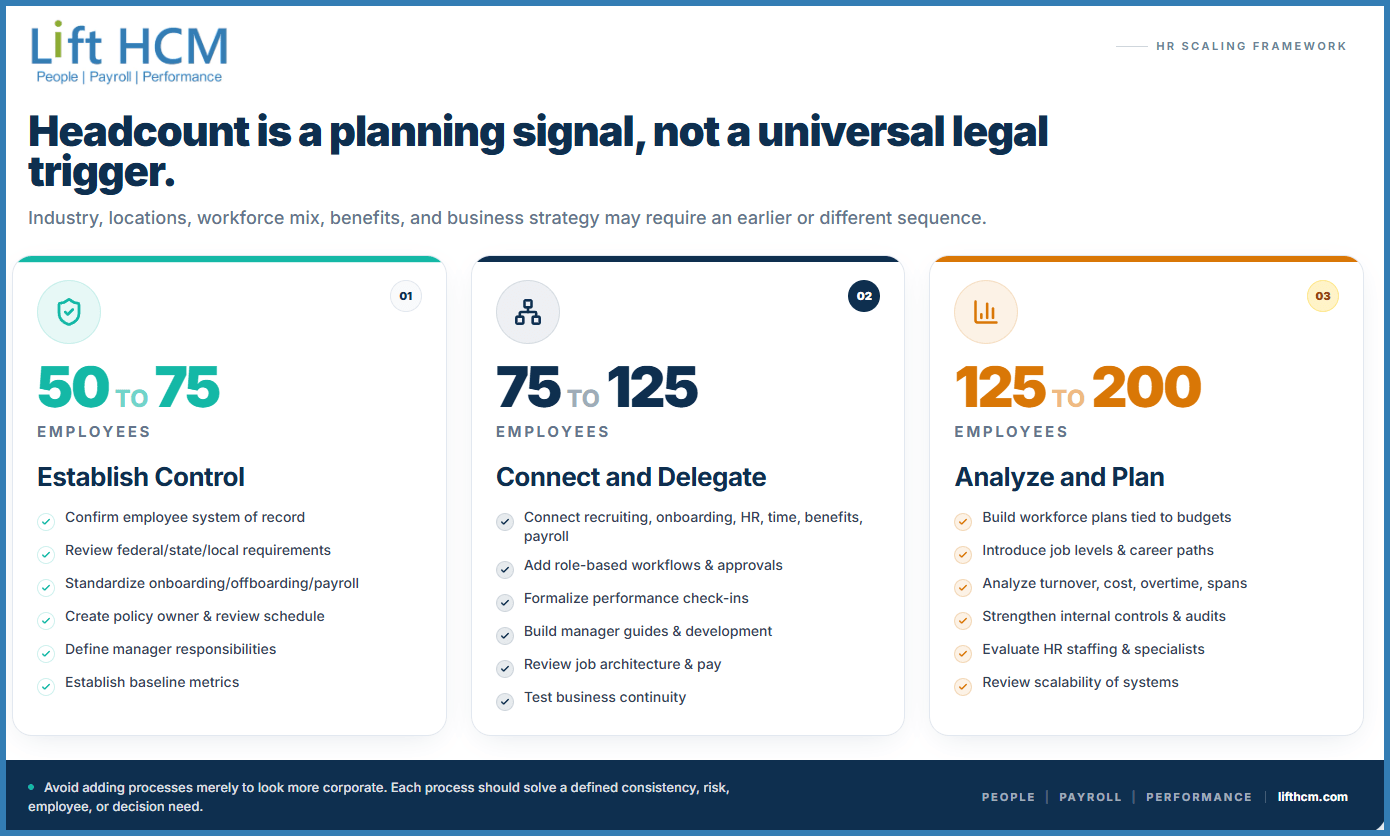
50 to 75 Employees: Establish Control
Prioritize the foundation:
- Confirm the employee system of record and eliminate duplicate master lists
- Review which federal, state, and local requirements apply at the current size and locations
- Standardize onboarding, offboarding, employee changes, and payroll approvals
- Create a policy owner and review schedule
- Define manager responsibilities and launch core training
- Establish baseline workforce metrics
At this stage, consistency matters more than adding every possible module.
75 to 125 Employees: Connect and Delegate
As more managers and locations participate, focus on workflow and accountability:
- Connect recruiting, onboarding, HR, time, benefits, payroll, and accounting data where practical
- Add role-based workflows and approval levels
- Formalize performance check-ins and documentation
- Build manager guides and recurring development sessions
- Review job architecture, pay practices, and reporting dimensions
- Test business continuity for payroll and critical HR processes
The goal is to let work move without every decision returning to one executive or HR leader.
125 to 200 Employees: Analyze and Plan
At this stage, leaders need stronger visibility and more mature talent systems:
- Build workforce plans tied to budgets and operating goals
- Introduce or refine job levels and career paths
- Analyze turnover, labor cost, overtime, hiring, and spans of control
- Strengthen internal controls, access reviews, and audit routines
- Evaluate whether HR staffing and specialist support match the organization’s complexity
- Review the scalability of benefits, payroll, time, and talent systems
Avoid adding processes merely to look more corporate. Each process should solve a defined consistency, risk, employee, or decision need.
Building HR Infrastructure Before You Need It
Start with a 12- to 18-month workforce forecast. List expected headcount, locations, worker types, leadership layers, and major business changes. Then map the processes and requirements those changes will affect.
Prioritize work using four questions:
What could prevent employees from being paid or supported correctly?
What creates meaningful legal, financial, security, or continuity risk?
What consumes the most repeated administrative time?
What information will leadership need to make the next growth decision?
Build the minimum reliable process first. Name an owner, document the rule, configure the workflow, train the people involved, and measure whether it works. Add sophistication only when the organization can use and maintain it.
Frequently Asked Questions
When Does a Growing Company Need an HRIS?
An HRIS becomes valuable when employee data, documents, approvals, payroll inputs, benefits, or reporting are difficult to maintain accurately across existing tools. Many companies reach that point well before 50 employees.
How Large Should the HR Team Be at 100 Employees?
There is no single correct ratio. Staffing depends on industry, locations, hourly versus salaried mix, growth rate, benefits complexity, recruiting volume, internal expertise, and the services outsourced to partners. Use workload and risk rather than a generic ratio alone.
Which Requirements Change at 50 Employees?
Several federal and state rules use thresholds around 50 employees, but the counting methods and coverage tests differ. For example, FMLA and ACA employer provisions use different definitions and conditions. Review each requirement separately with qualified guidance.
Should We Buy Technology Before We Finalize the Process?
Define the desired outcome, ownership, approvals, and exceptions before configuration. You do not need a perfect process, but automating an unclear process can make inconsistency move faster.
Build for the Company You Are Becoming
The move from 50 to 200 employees does not require a large-company bureaucracy. It requires dependable data, repeatable processes, prepared managers, visible ownership, and information leaders can use.
That's the shift that solves the problems this guide started with: hiring that's slow because onboarding lives in email, managers who handle the same situation differently, and payroll reporting that takes days because employee data is scattered across spreadsheets and systems. Fix the infrastructure, and those symptoms tend to resolve on their own.
If your current processes depend on spreadsheets, memory, or one overwhelmed person, the next useful step is mapping which of the seven foundations above is thinnest for your organization right now.
At Lift HCM, we help growing organizations connect payroll, HR, time, benefits, talent, and reporting with responsive support. Contact Lift HCM to discuss the infrastructure your next stage of growth may require.
This article is for general informational purposes and isn't legal advice. FMLA and ACA determinations involve additional counting rules, look-back periods, and exceptions beyond the headline thresholds above. Confirm how these and other requirements apply to your business with qualified legal or HR counsel.
Topics:

.jpg?width=2000&height=2000&name=header(1).jpg)
.webp?width=1080&height=1080&name=HR%20blocks(1).webp)
.jpeg?width=1024&height=1024&name=happy%20employees%20working%20together%20outside%20in%20the%20fall%20time(1).jpeg)